
Stator Roebel Bars
Transposed stator winding bars for hydro and turbo generators — manufactured in Resin Rich and impregnated versions with stringent dielectric control, for generator rewinds and new builds.
 Drag to rotate
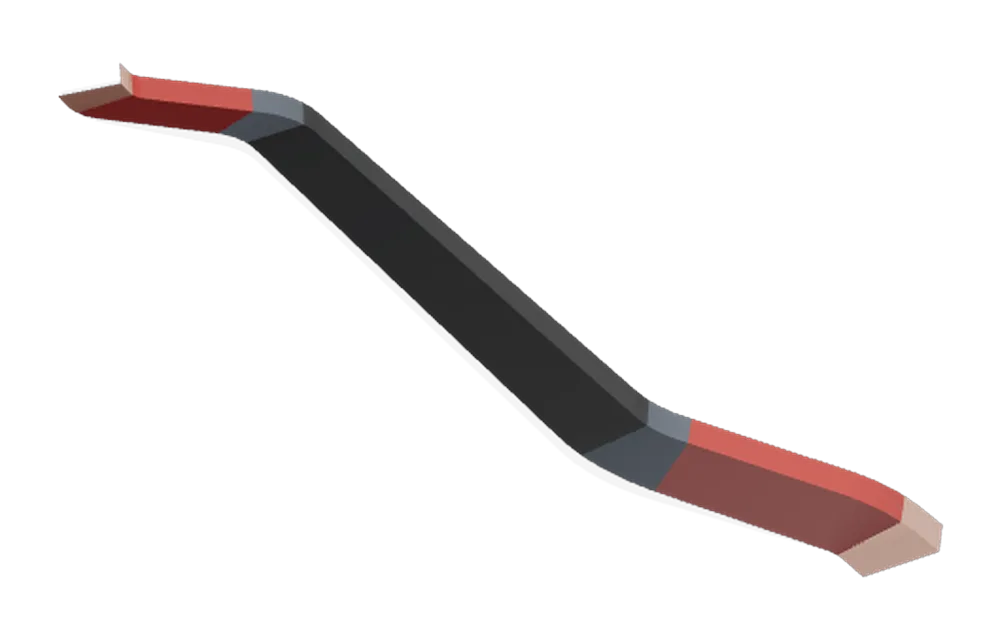
Stator Roebel Bars in 3D.
Rotate the model to see how the coil is built. Exact dimensions follow your machine data, drawing or sample.
- Slot section — conductive layer
- End stress grading
- End-windings
- Strand ends for connection
We supply stator Roebel bars matched to your generator's slot geometry and end-winding profile.
Strands are transposed, consolidated and pressed under controlled heat, then insulated with a mica-based ground wall and corona protection — giving low circulating-current losses and dependable long-term generator service.
Quality checks on every order
- Strand insulation check — strand-to-strand insulation verified after transposition.
- Consolidation & pressing check — straight part pressed to exact slot dimensions.
- Dimensional check — straight part and end-winding verified on template jigs.
- Insulation resistance (IR / PI) — measured on finished bars.
- AC high-voltage withstand test — ground-wall dielectric strength verified.
- Tan delta / capacitance — dielectric loss measured, as specified.
- Corona protection verification — surface and end-grading checked, as specified.
How we make Stator Roebel Bars.
From 3D model to crated despatch, every stage is carried out and checked inside our Erode facility.
3D modelling & coil design
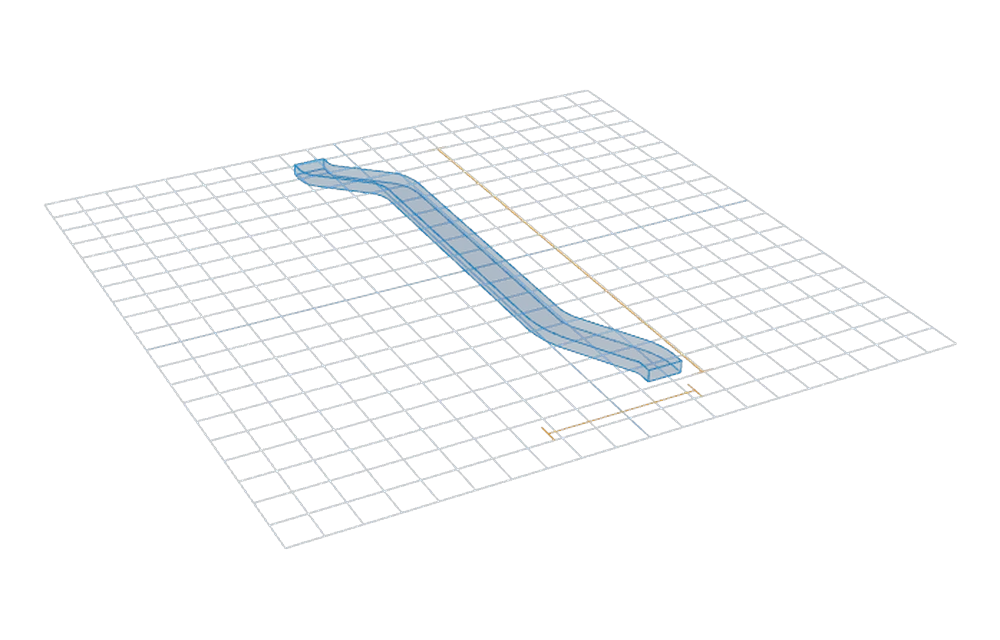
The Roebel bar is modelled in 3D from machine data, slot dimensions and the OEM drawing or sample — span, overhang and lead positions are fixed before tooling is made.
Strand preparation
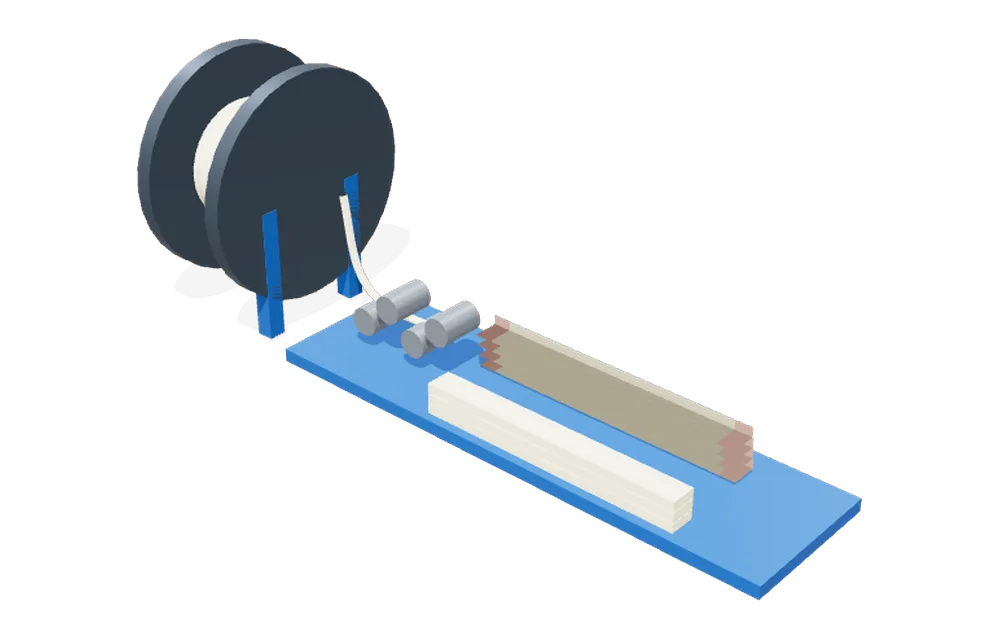
Insulated rectangular copper strands are straightened and cut to the bar length.
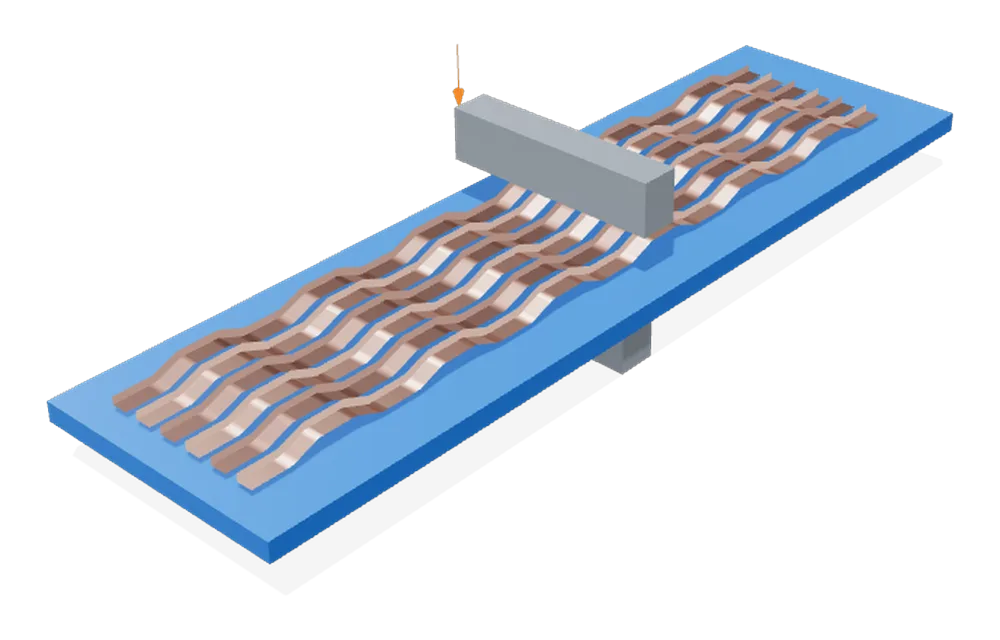
Strand crank bending
Each strand is crank-bent at the transposition pitch on the Roebel bending machine.
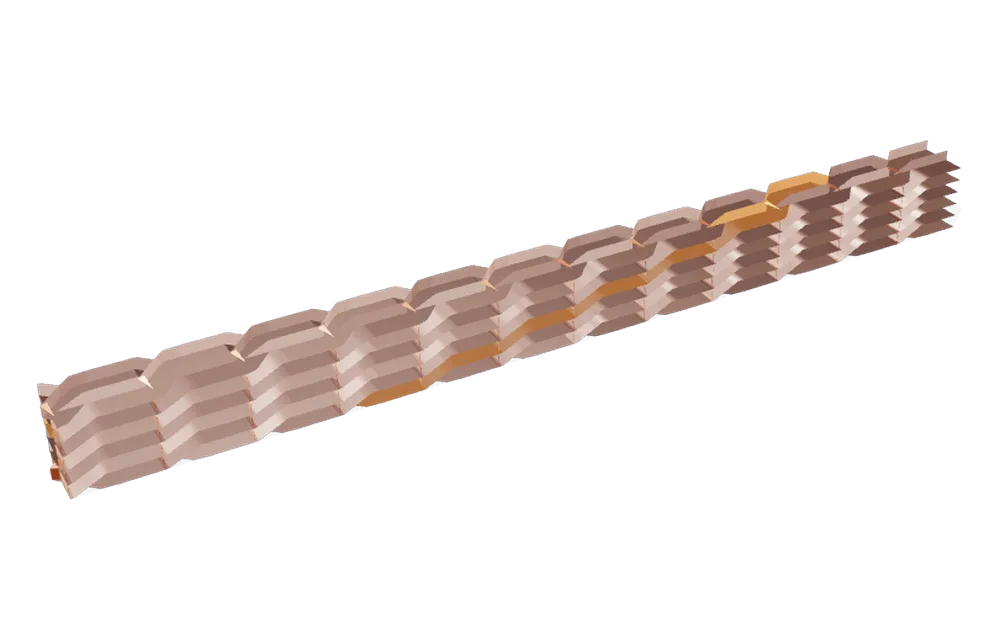
Roebel transposition
Strands are assembled in two columns and interlaced so every strand occupies every position along the slot length (360° transposition).
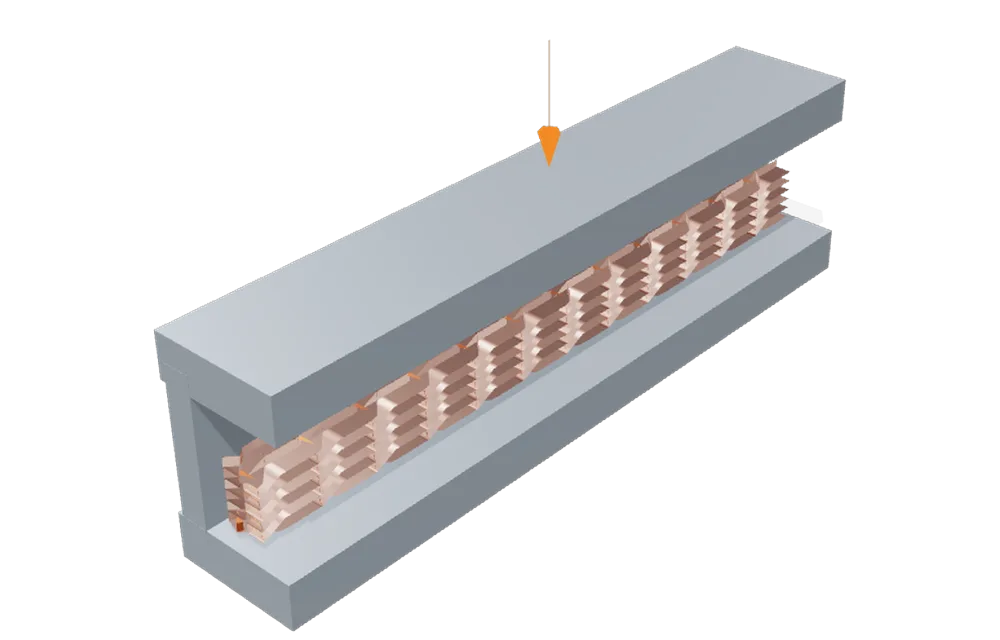
Stack consolidation
The transposed stack is hot-pressed and cured in the straight part to exact width and height.
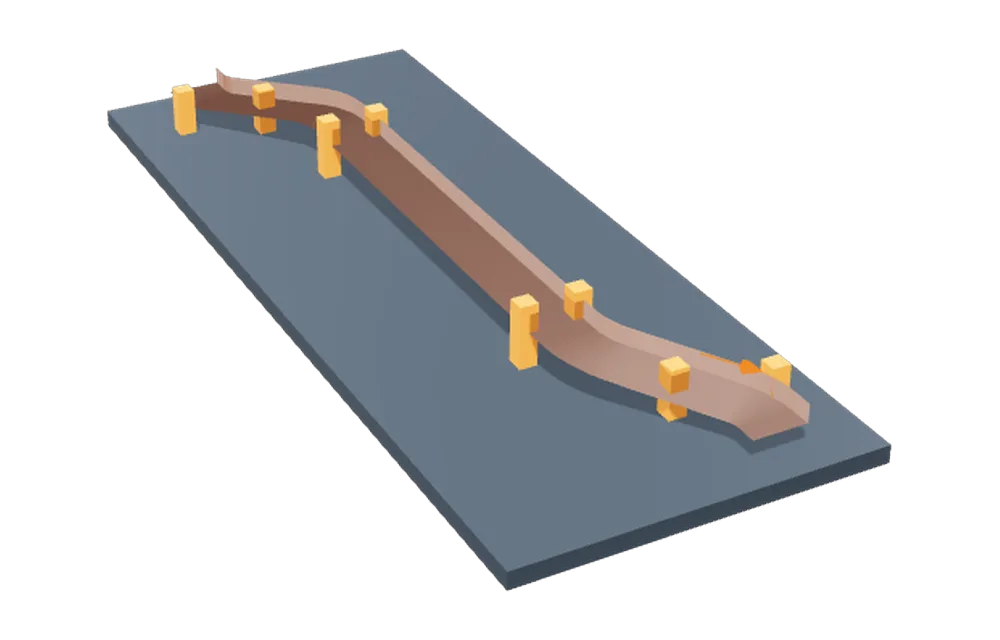
End-winding forming
Both ends of the bar are bent on the forming jig to the generator's end-winding (involute) geometry.
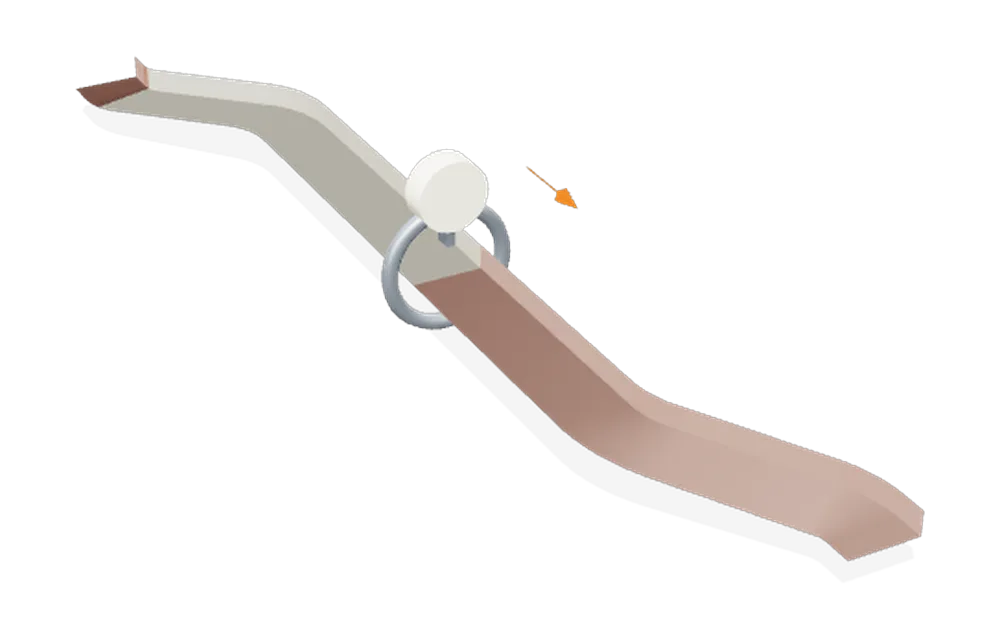
Main-wall insulation taping
Mica-based tape is applied over the full bar to build the ground-wall insulation.
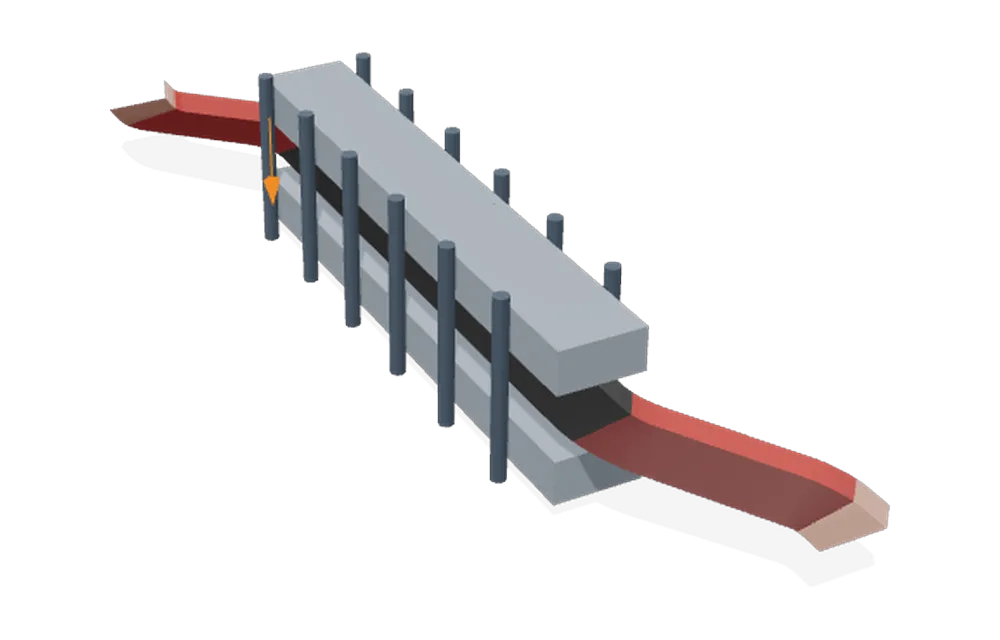
Hot pressing & curing
The insulated straight part is pressed and cured in a heated mould (Resin Rich), or the bar is impregnated (VPI).
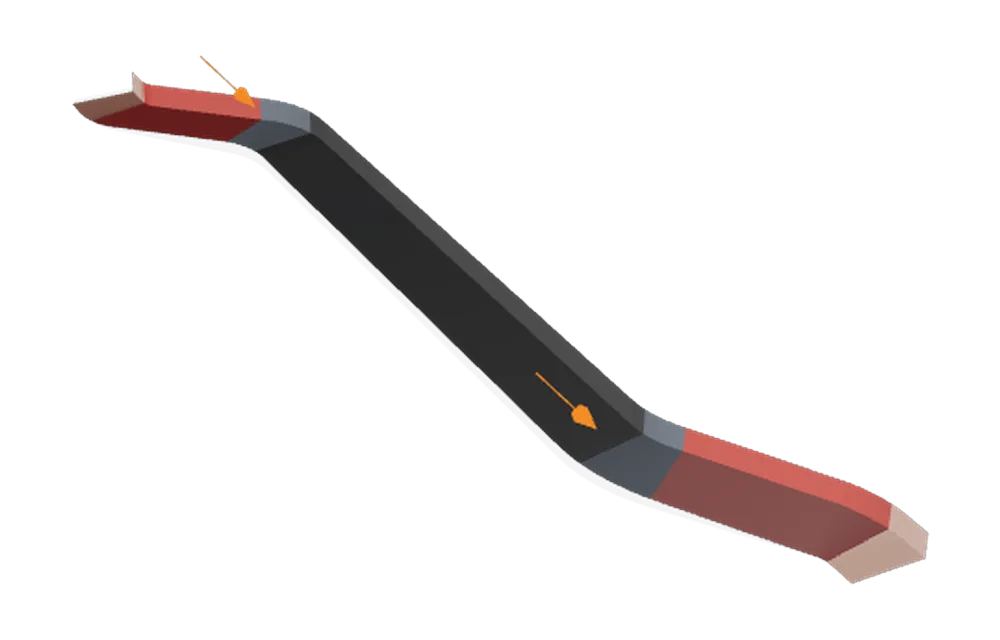
Corona protection
Outer conductive layer on the slot part and end stress-grading at the slot exit, as specified.
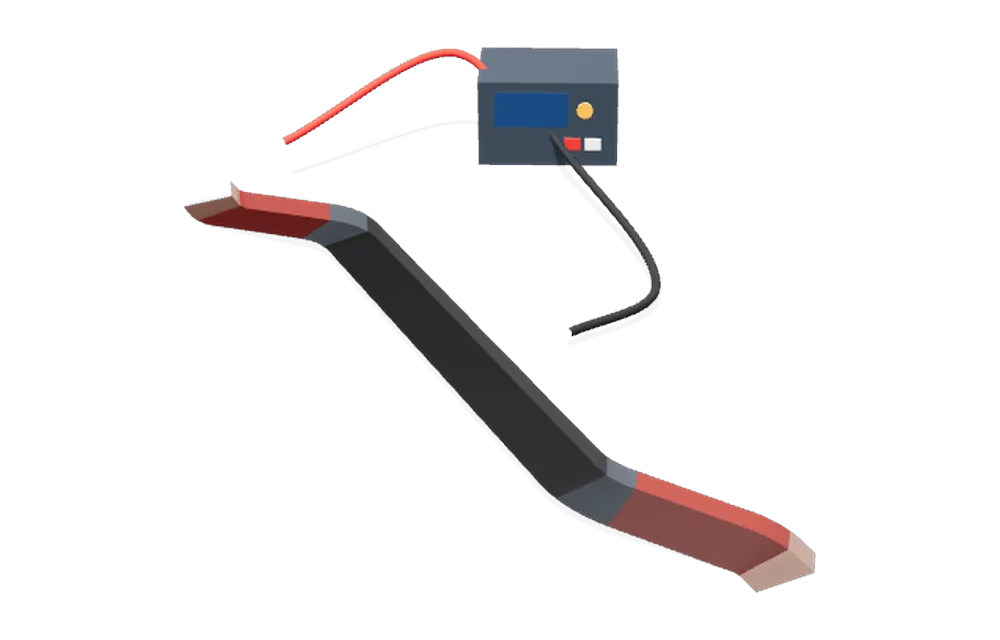
Electrical testing
AC high-voltage withstand, tan delta / capacitance and insulation resistance on every bar, as specified.
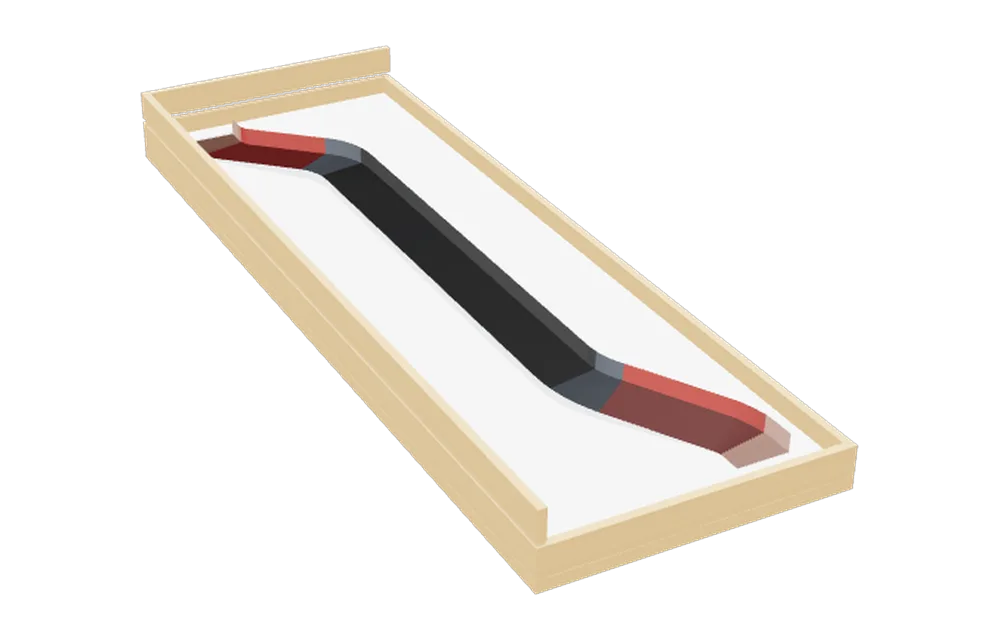
Inspection, packing & despatch
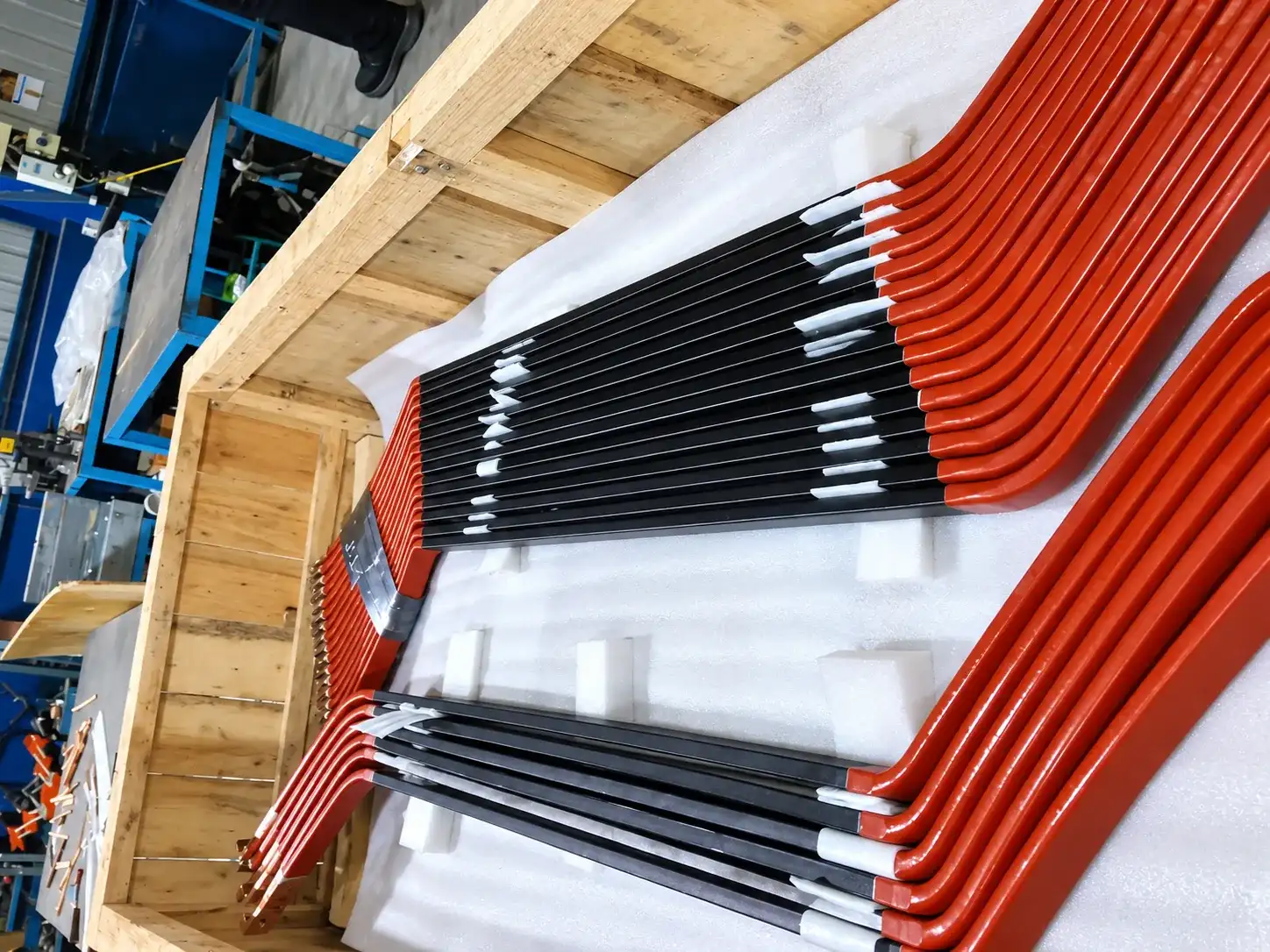
Final visual and dimensional inspection, then the coils are supported on foam inside wooden crates with labels and test reports.
Need Stator Roebel Bars?
Share your machine rating, voltage, quantity and drawing or sample details. Our coil engineering team will review and respond promptly.